30 Mar 2021

augmenting realities

Little did I know my last gallery experience pre-Lockdown was a portent of things to come. The Deutsche Börse show in 2020 featured the work of Mohamed Bourouissa and my review included a piece of augmented reality that transposed itself into the space. Now 12 months on that at-a-distance experience is all we have by way of a gallery going event. This year's Format Festival was virtual and the gallery dedicated to the to the pandemic was is a particularly poignant site-specific setting for the work. 

Format Festival gallery screenshot

I joined a tour where some of the photographers spoke about their work as we were guided by a hidden, dextrous hand around the space. The selection was really interesting. I had an immediate response to Chris Hoare's Street Cleaners in Bristol. The images play on their hi-viz appearance but the low visibility of their appreciation. It's a well made point. Ironically when I see a street cleaner my heart sinks as I feel they've just swept away a moment of detritus, a piece of history of our times. Whether it's another Deliveroo receipt or a broken Corona bottle, they're all potential representations of the mundane that in future we'll look at with different eyes.

It was great to see Jaskirt Boora's Birmingham Lockdown Stories featured having found her book very moving. These documentary style pieces were then bridged into more personal responses in Playing Their Part by Shaista Chishtyjuxtaposing representations of people of colour in the context of World War 2 and the pandemic. It's a valuable perspective on the wartime spirit that's been evoked over the last twelve months.

The other piece I responded to was Field by Jemima Yong transforming the observed into something more symbolic, combining the consequential images of isolation and social distancing into a piece of performance art. Evoking for me Hayahisa Tomiyasu's TTP project it's a much more significant piece as the context of it is a profound commentary of life lived now. Do watch.

Virtual galleries do present challenges, comparable in a way galleries in the real world - as we've come to call it - do in terms of accessibility. However the opportunity to hear photographers talk about and show their work to potentially a global audience should not be ignored. The last year has and continues to expose me to work I would not have had the opportunity to before so it's one, at least, upside to our current life.

Indeed, it may become a habit.


5 Feb 2021

street photography 4 good

Well for a serious issue my fundraising event for Ealing Foodbank seemed to tap into a real need for a break from the latest Netflix must-see. I "sold" over a hundred free tickets for my chat with Mel Giedroyc and over 60 people joined us for a walk through my book of photographs of the streets of Ealing in lockdown last spring and summer. Thanks to a few technical rehearsals with my family the evening went well. In addition to the reactions and questions during the evening I was really pleased that we raised over £200 in donations. A few more book sales afterwards took the whole campaign to over £1,000 to help people in crisis.

Street photography with a social conscience is traditionally the domain of the French humanist school. Pre and post war it's influence is still very much evident in the slice of life style of street photography. Ironic, humourous. It's a great way of cutting across cultures and boundaries to find a kind of universal truth. Personally I'm more interested in a style that is just as prevalent today but can be characterised as the New York school from the 50s & 60s. Alienated, anonymous. In a way it's just as romantic.This is how I felt when I started using photography to figure out a way of relating to New York City in the 80s. Ironically perhaps that's now not as distant a gap as it felt at the time.

Manhattan street image

I don't know if #streetphotography4good will ever trend but it's an interesting development for me personally. This isn't New York, hey it's not even London any more. Whatever happens next it won't be the same place for a while. My style really will be an anachronism. To be honest it's about time I questioned it myself and use my privilege for something more than just another print on the wall.

Meanwhile Book 2 beckons


17 Jan 2021

be more us

Lockdown rolls on and it was inevitable my response to my photography group's challenge to pick 9 images to represent 2020 would feature them. However instead of replaying a selection from my book I thought it was an opportunity to reflect on how much the familiar has changed. 

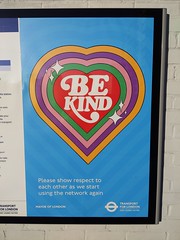
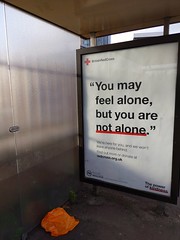
I've found the transformation of advertising an interesting reflection of that. No new films, plays and exhibitions to promote. Seasonal holidays, retail sales and sports events are now all out of sync. We're left with those spaces - especially by bus stops - giving public information from physical health to mental well-being. For me it adds to that wartime atmosphere, or at least my imagining of it. I'm fortunate the closest I've been to anything like this are my family holidays in the 70s.

IMG_20201122_085142 IMG_20201011_085440 2020-06-30_08-05-52

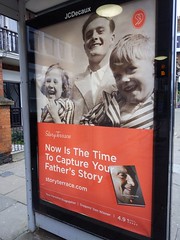
COVID references are also seeping into advertising not as a warning but a selling point, almost as a new subculture is absorbed by the mainstream to appear more 'edgy' or 'relevant' but in our upside down world the relevancy is about hygiene, safety and security. Fear is further played upon with a new service to document your grandparents' memories, now ironically the most valued members of society - no longer the forgotten or neglected, for a while at least.

IMG_20210101_085805 IMG_20201224_084310 IMG_20201231_090039
IMG_20201129_083450 IMG_20201129_083116 IMG_20201223_061910

My final image of looking forward to 2021 is a genuine reflection of a feeling of a lot of people but again it fits with the trend of brand advertising that isn't about the product but in some tangential, sometimes tenuous, way connects to a broader societal issue. 2020 provided plenty of opportunities to do that.

Roll on 2021.


28 Dec 2020

book of the year

I've been looking for new photography inspired by the events of this year even before I'd thought of collecting my own work into a book. Insiders by Liam Basford and Dominic Nozahic was published over the summer with a real energy and urgency to capture the moment but also acknowledge the impact on artists and creators. This was the theme of Limbo too with some high profile contributors and production values. In contrast Robert Law's Village Lockdown was a very personal response and none the less important. 

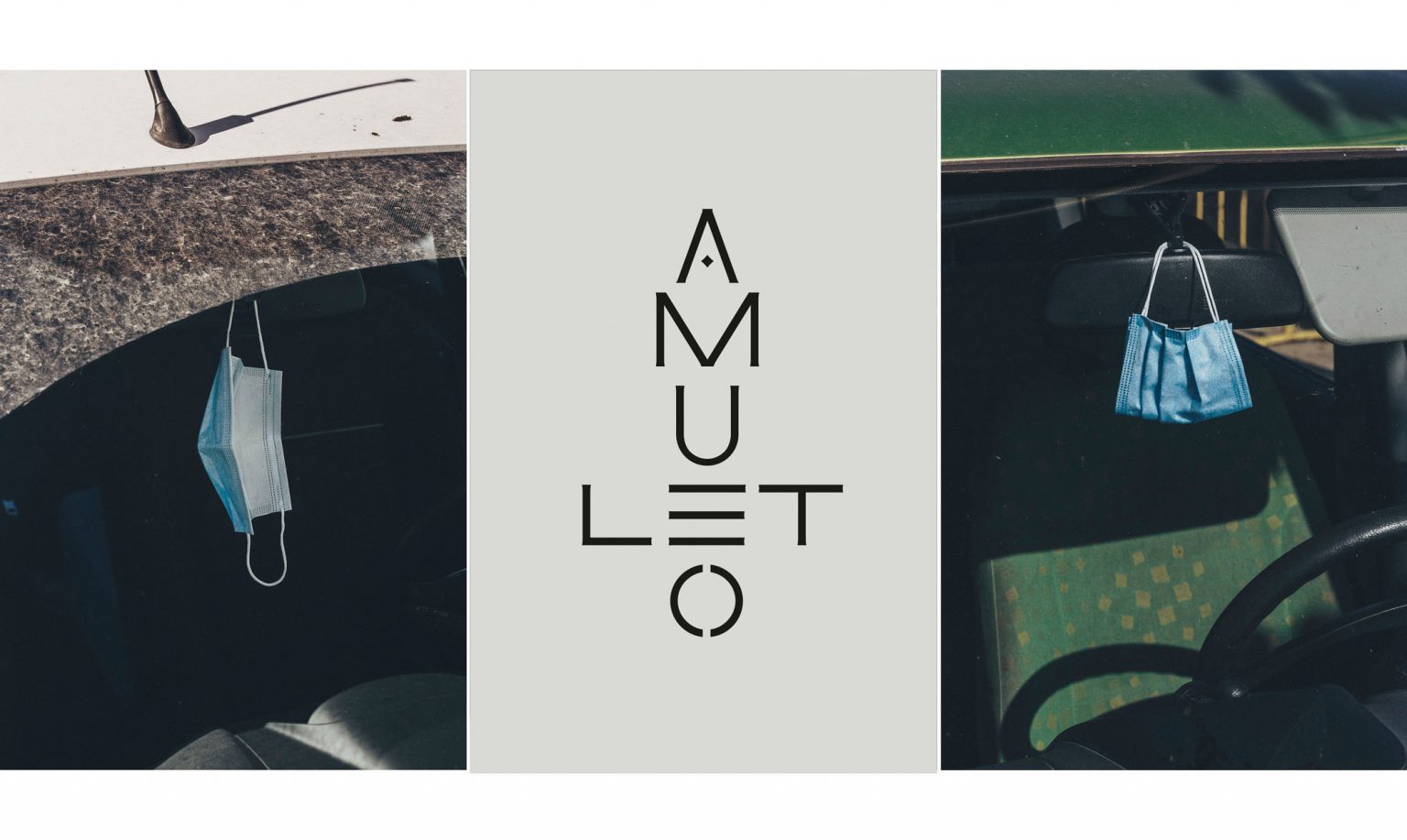
However in this final week of 2020 it's fitting to have found Amuleto by Francheska Melendez and Ben Roberts that synthesises COVID-19 and the killing of George Floyd in a powerful, understated way.

Amuleto by Francheska Melendez & Ben Roberts

The link between the two events is now, tragically, the phrase I can't breathe. Referencing current and historic texts as well as snippets of conversations the book weaves those words around a series of photographs of medical masks that we've now all become dependent on to ward off evil.

I admire the thought given to the iconography of the mask. Illuminated by Spanish sun its ubiquity and utility is transfigured. It's inspiring to take one element of so many visual references I've seen this year, to develop it in this way and then to combine it with words that root this in historic as well as contemporary context.

My book of the year. 


21 Dec 2020

here comes the sun

 Before dawn on the shortest day of the year

Before Dawn 21.12.20


After dusk on the shortest day of the year

After Dusk 21.12.20


Tomorrow, the days become longer