I've been fascinated by the creative output the pandemic has produced, in particular - and unsurprisingly - through photography zines, books and exhibitions. I've referenced examples already but wanted to draw some themes from the ones I've picked up along the way.
It's also an opportunity to reflect on my own response, of course. We're at a significant point now in England. The national unity of the first wave of the pandemic feels a long time ago. We're approaching a new year better protected but with less confidence of getting back to normal than last December. There's a creeping realisation that how we collectively learn to live with the pandemic comes next.
The images and texts in these zines and books are already historic. However for me it's as much about the motivation behind creating them as the actual content itself. They represent ways of using the act of making images and of distributing them to help deal with the situations thrust upon people, in a highly engaged way. Perhaps it's the act of turning documentary practices onto individuals and communities more cross-sectional than stereotyped. The consequences are not only a record of our times but place image making, of and by ourselves, at the centre of that record.
The early days of lockdown initiated a number of "doorstep" projects and one I really like is Levy Lockdown Portraits by Ciara Leeming that she's now developed into a full participatory project with her local community sharing experiences through stories and diairies as well as photography.

Using photographs to stimulate personal narratives is also a feature of Birmingham Lockdown Stories by Jaskirt Boora. Here we move from the doorstep into locations of peoples' choice, which is a wonderful way of creating trust and representations of worth.

Another zine with the mission to "move beyond the doorstep" was published this year. Still Life by WorkHorse Collective presents some innovative interprations of lockdown life with a mission to give a platform to people otherwise underpresented.

Taking control of representation is also a feature of My Camera My Therapy by Natalie Ball. Giving equal weight to the testimonials of photographers opposite their images in the zine is symbolic of their relationship with photography and the role it plays in their lives in lockdown.

Paul Treacy produced another of his wonderful handmade books and it was great to see it picked up by the BBC. Pandemic Constitutional is a soulmate of Natalie Ball's work as a portrait of someone coming to terms with life with COVID. I can certainly relate to the structure of the work, found pictures taken on walks around a local neighbourhood, but Paul's phrase 'sustaining creativity' is particularly striking.

Two other personal collections of local life in the early months of the pandemic are Village Lockdown by Robert Law and Lockdown Fakenham by Keith Osborn. It's fascinating to cross-reference the images that could be interchangeable in places.


At this point I have to mention two collections of London lockdown photography. The LIP Chronicles from the London Independent Photography group I'm a member of. Produced on newsprint, images from group members are arranged across a weekly timeline from the announcement of the what became the first lockdown in England, reflecting a range of creative responses. Even looking back at it now sparks memories.

I must say the London in Lockdown collection, published by Hoxton Mini Press and introduced by Jilke Goldbach presents a tremendous range of work. Chris Dorley-Brown's early morning cityscapes I was familiar with and Jemima Yong's Field too. However for me the variety of images in Spencer Murphy's Our Bullet Lives Blossom As They Race Towards The Wall conveys the strangeness of those days perfectly.

Continuing the theme of compilation, perhaps what will become the official record of events Hold Still published by the National Portrait Gallery is a survey of the nation taken from an open submission of portraits by people across the country. Raising money for Mind, it also generated a digital and an outdoor exhibition of the work across the country at the end of 2020. Looking at it now a year on it perhaps best captures what was characterised as the blitz spirit of that period.

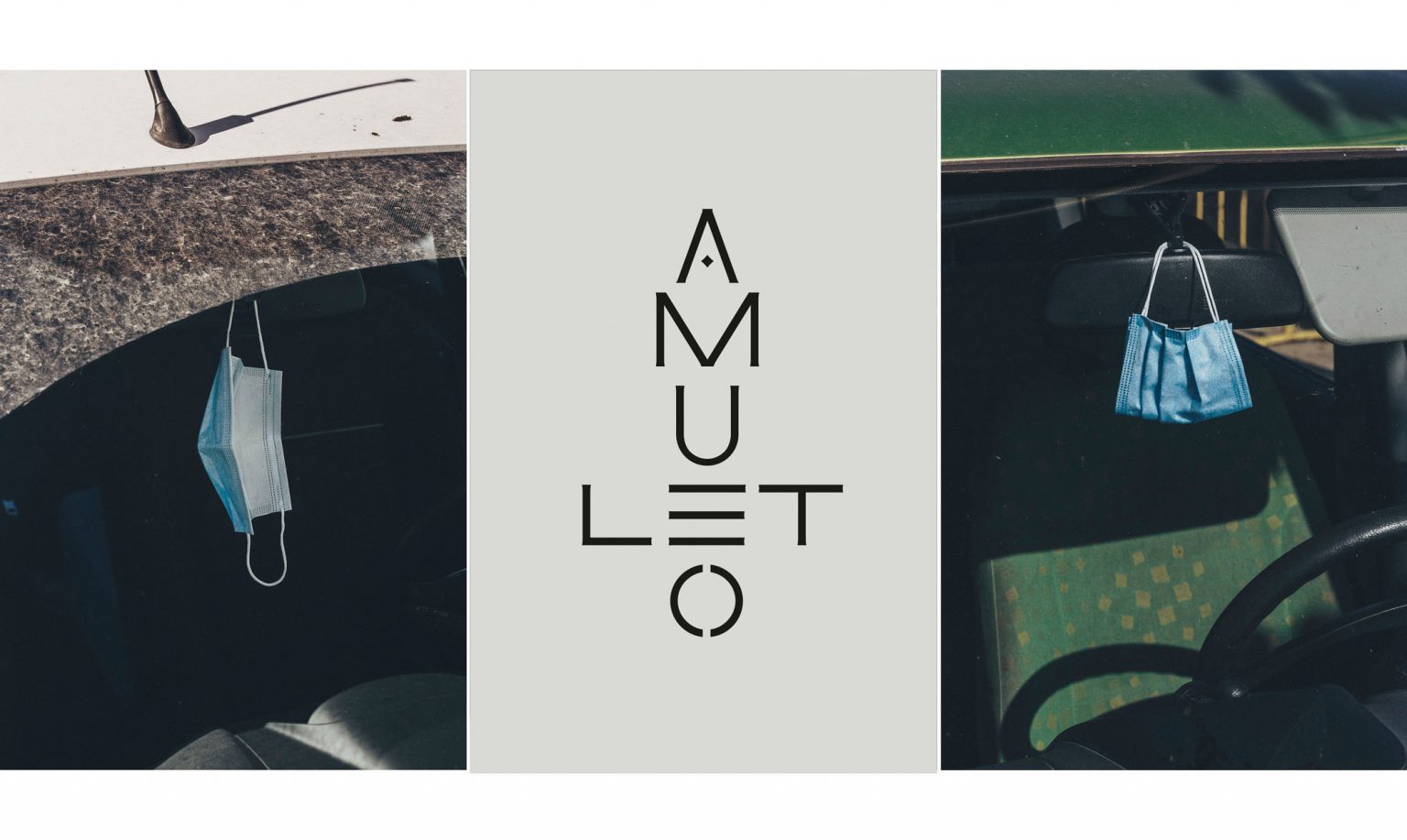
A 180 degree view of that are posed by three very personal works. A project I greatly admire and wrote about last year is good to reference here too. Amuleto by Francheska Melendez and Ben Roberts is a powerful synthesis of the pandemic in Spain and the Black Lives Matter movement. Eighteen months year on, the value of documenting that summer is so valuable as memories fade.
Europe is also the setting of John Perivolaris's Pandemicon 2020-2021, an odyssey from Scotland to Italy and Greece, made all the more poignant by its dedication to the death of his mother from COVID.
I've been intrigued by the idea of a box of prints and as an alternative to zines and books it was so good to see that approcah taken by Tristan Poyer and his work Masked: A Portrait of Amazon. His rationale is best read directly. I couldn't do it justice by paraphrasing it. For me it's the best testimony of this period I've seen.
For completeness I'm going to add two of the first publications I found at the start of the pandemic and mentioned last year, Insiders and Limbo. Now in retrospect it's fascinating to see the work produced so early in the pandemic and that initial period of extreme isolation when many creative people found ways of expressing and supporting eachother.


I'd also like to mention a non-photographic work for the stimulation of its writing. When This Is All Over by The London Society is a range of essays about the possibilities and opportunities of post-pandemic life in London. It actually does have a some fine images and illustrations so I think I can sneak it in to this selection ;)

And finally - for now - I'd like to include a work that's just been crowdfunded so I don't have it just yet but with the title Photography through the Pandemic it's hard to resist.

I do sometimes feel I should just "move on" from the fixation with the creative consequences of the pandemic. When I see work like this it gives me faith to stay the course. A little longer.